
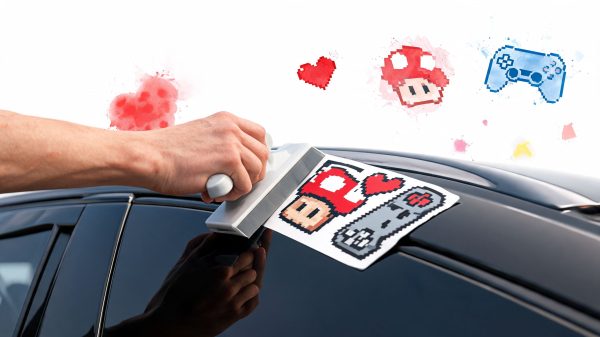
You've probably seen the same thing most gamers see when they search for video games stickers. One tab has a giant pack of cheap decals for laptops, water bottles, and controllers. Another has polished vehicle graphics that look more like real customization than a novelty purchase. The problem is that both get called “stickers,” even though they behave very differently once sun, rain, heat, and car washes get involved.
That difference matters the minute you move from a desk setup to a vehicle. A laptop sticker can get by with mediocre material because it lives indoors, gets handled gently, and only has to look good from a couple feet away. A truck window decal, hood graphic, or rear glass gamer logo has to deal with UV exposure, moisture, temperature changes, and surface curves. If the material is wrong, the edges curl, the color dulls, and the whole thing starts looking tired fast.
Gamers already understand the value of collecting and displaying what they love. The same instinct that fills shelves with cartridges, steelbooks, controllers, and console boxes also shows up on vehicles. A good decal isn't random decoration. It's a clean, durable way to carry your gaming identity into physical spaces.
More Than a Sticker It's a Save Point
A lot of people start with the same plan. They've got a favorite game, a character, a faction, or a symbol they've loved for years, and they want to put it on their car or truck. Then they search online and hit a wall of mixed-quality listings. Some are clearly made for notebooks and phone cases. Some look decent in photos but don't say much about material. A few are real vehicle decals, but they're buried under everything else.
That confusion makes sense because the word “sticker” covers two different worlds. One is disposable and casual. The other is built for actual outdoor use. If you're putting a graphic on rear glass, a quarter window, or a painted panel, you want the second one.
Gaming fandom has always had a collector streak. During the early 1980s arcade boom, U.S. coin-operated video game revenue climbed from $308 million in 1978 to $2.8 billion in 1980, then reached $8.9 billion by July 1982, according to the history of video games overview. That same era helped shape the nostalgia that still drives demand for retro game art, classic symbols, and designs that feel like a tribute rather than a throwaway accessory.
Two products that get called the same thing
A cheap gaming sticker usually has one job. Look fun when it comes out of the pack.
A real vehicle decal has a tougher job:
- Hold color outdoors: Sun exposure punishes weak inks and low-grade material.
- Stay flat on the surface: Curves, corners, and body lines expose flimsy stock fast.
- Remove visual clutter: Clean cut lines usually look better on a vehicle than a busy printed background.
- Fit the shape of the vehicle: A console logo on a laptop can be tiny. On a truck window, sizing changes everything.
A gaming decal on a vehicle should look intentional, not like leftovers from a convention swag bag.
That's why some designs work better as a decal than as a sticker sheet. A clean icon, faction mark, save symbol, controller outline, or retro reference reads well at driving distance. A dense collage of tiny characters usually doesn't.
If your taste leans nostalgic, something like a save manuals decal fits the idea perfectly. It reads like a nod to gaming history instead of a temporary novelty slapped on glass.
What lasts and what doesn't
If the product listing talks more about how cute the art is than how the material performs, that's a clue. For indoor gear, that may be fine. For vehicles, it usually isn't.
The best video games stickers for cars aren't really “stickers” in the casual sense. They're vinyl graphics built to act like part of the vehicle's visual design. That's the standard worth aiming for if you want your gaming fandom to age well in public.
Decoding Your Gaming Identity Through Decals
Not every gaming decal says the same thing. Two drivers can both love games and still choose graphics that signal completely different identities. One runs a small retro sprite on the quarter glass. Another wants a sharp faction logo on the rear window. Another goes full tuner style with controller iconography, arcade lettering, and a franchise reference worked into the car's overall look.

That's why video games stickers work as more than decoration. Research on game engagement notes that “hooks” go beyond mechanics and include art style, concept, and community identity, which helps explain why decals act like tribal markers for different kinds of players, as discussed in this piece on game hooks and identity.
What your decal choice signals
Some categories are easy to spot.
Retro arcade and 8-bit symbols
These are for the player who values history, nostalgia, and recognizable old-school design. Pixel hearts, joystick graphics, coin prompts, save icons, and cabinet-era references usually feel timeless because they're simple. They also translate well into vinyl because clean shapes cut well and stay readable.
Franchise and faction logos
A faction logo says more than “I play games.” It says which world you belong to. That could be a wasteland insignia, a military-style emblem, or a symbol that other fans recognize instantly. A design like the Fallout Enclave logo decal works because it carries identity without needing a full scene or character illustration.
Esports and competitive gamer style
These tend to be sharper and more minimal. Team marks, angular symbols, clean lettering, and monochrome shapes fit best. On vehicles, that style often looks stronger than crowded full-color art because it feels closer to motorsports branding.
Matching the decal to the kind of gamer you are
Here's a practical way to consider this:
- The retro purist usually does best with pixel art, arcade references, and older console-era visual language.
- The lore-driven fan tends to prefer faction seals, crests, item icons, or map symbols that mean something to other players.
- The setup enthusiast often likes controller imagery, headset graphics, stylized gamer tags, and decals that mirror desk or PC aesthetics.
- The tuner crossover crowd usually wants gaming visuals that can sit beside other car culture elements without fighting them.
The best gaming decal isn't always the loudest one. It's the one another fan recognizes in one glance.
Why this matters on a vehicle
A vehicle amplifies the message. A laptop sticker is personal and close-range. A car decal is public. People see it in traffic, parking lots, and gas stations. That changes what works.
The strongest vehicle graphics usually do one of two things well. They either signal a niche clearly, or they blend gaming identity into the style of the vehicle. When a decal does neither, it starts feeling random.
The Ultimate Guide to Sticker Materials and Durability
You buy a gaming sticker because the art looks great on-screen. Two weeks later, one corner curls on the rear glass, the color starts to dull, and the whole thing reads like a giveaway decal instead of part of the vehicle. That gap usually has nothing to do with the artwork. It comes from using novelty sticker material where automotive vinyl was needed.
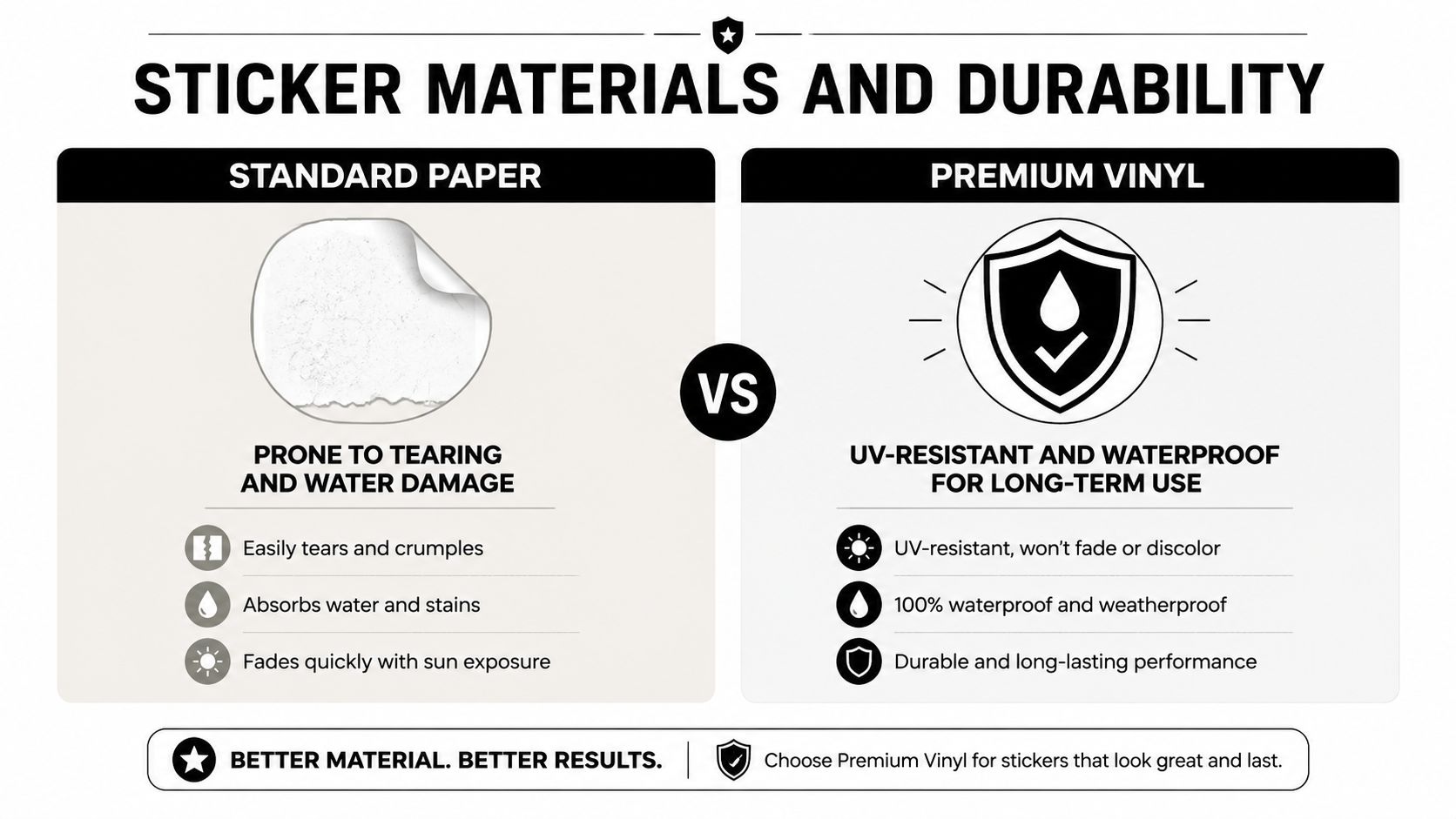
On cars and trucks, material is more important than the design mockup. A sharp print on weak stock still fails once it sees sun, rain, wash cycles, and the slight curves built into glass and body panels.
Why professional vinyl wins
Professional-grade Oracal vinyl is built for outdoor use, with UV stabilizers and a calendered film structure that helps it hold color and settle onto mild curves, as noted in this Oracal vinyl specification reference.
That matters because a good vehicle decal has to do more than stick. It needs to resist weather, stay flat at the edges, and keep looking clean after months outside. Cheap paper stickers fail fast. Generic bargain vinyl may last a little longer, but it often shrinks, fades, or lifts before the design should be retired.
The trade-offs buyers should understand
A low-cost sticker still has a place. It works fine on a laptop lid, desktop organizer, indoor console shell, or storage case. Those surfaces live an easier life and do not ask the material to stretch, heat-cycle, or survive road grime.
A vehicle decal needs a different class of film.
| Sticker Material Comparison | Best For | Outdoor Lifespan | Waterproof? | Vehicle Safe? |
|---|---|---|---|---|
| Standard paper | Indoor notebooks, packaging, temporary decoration | Short-term | No | No |
| Generic low-grade sticker vinyl | Laptops, indoor gear, light-use surfaces | Limited outdoor use | Sometimes | Not ideal |
| Professional-grade calendered vinyl | Cars, trucks, rear windows, body panels | Long-term outdoor use | Yes | Yes |
The trade-off is simple. Lower-cost stickers are cheaper to print and easy to swap out. Premium automotive vinyl costs more up front, but it saves you from replacing the same design after one hot season.
What to look for in a product listing
If the decal is going on a vehicle, check the listing like a shop would check incoming material:
- Material name: If the seller will not name the vinyl, treat that as a warning sign.
- Outdoor rating: “Weather-proof” is vague. Look for language that clearly states exterior use.
- Surface compatibility: Glass, painted metal, and textured plastic all behave differently.
- Cut style: Die-cut or transfer-taped decals usually look cleaner on vehicles than stickers with a thick printed border.
- Application method: A proper vehicle decal should include prep and install guidance, not just a size chart.
Practical rule: Buy the material first, then the artwork. On a vehicle, bad vinyl ruins good design.
Curves, paint, and why flexibility matters
Vehicles are full of slight compound curves, trim edges, and shallow crowns that expose weak material fast. Conformability keeps the film seated against the surface instead of tenting at the corners or pulling back over time.
If you also care about protecting the finish under custom graphics, read this automotive paint protection film guide. It explains the difference between a decorative decal and a protective film, which people mix up all the time.
A cheap gaming sticker is made for short-term fun on flat indoor surfaces. A proper vehicle decal is built like an exterior product, because that is exactly what it is.
Choosing the Best Placement for Your Gaming Decals
Placement can make an average design look smart or make a great design look awkward. The same decal that works perfectly on a rear quarter window can look cramped on a bumper or oversized on a laptop.
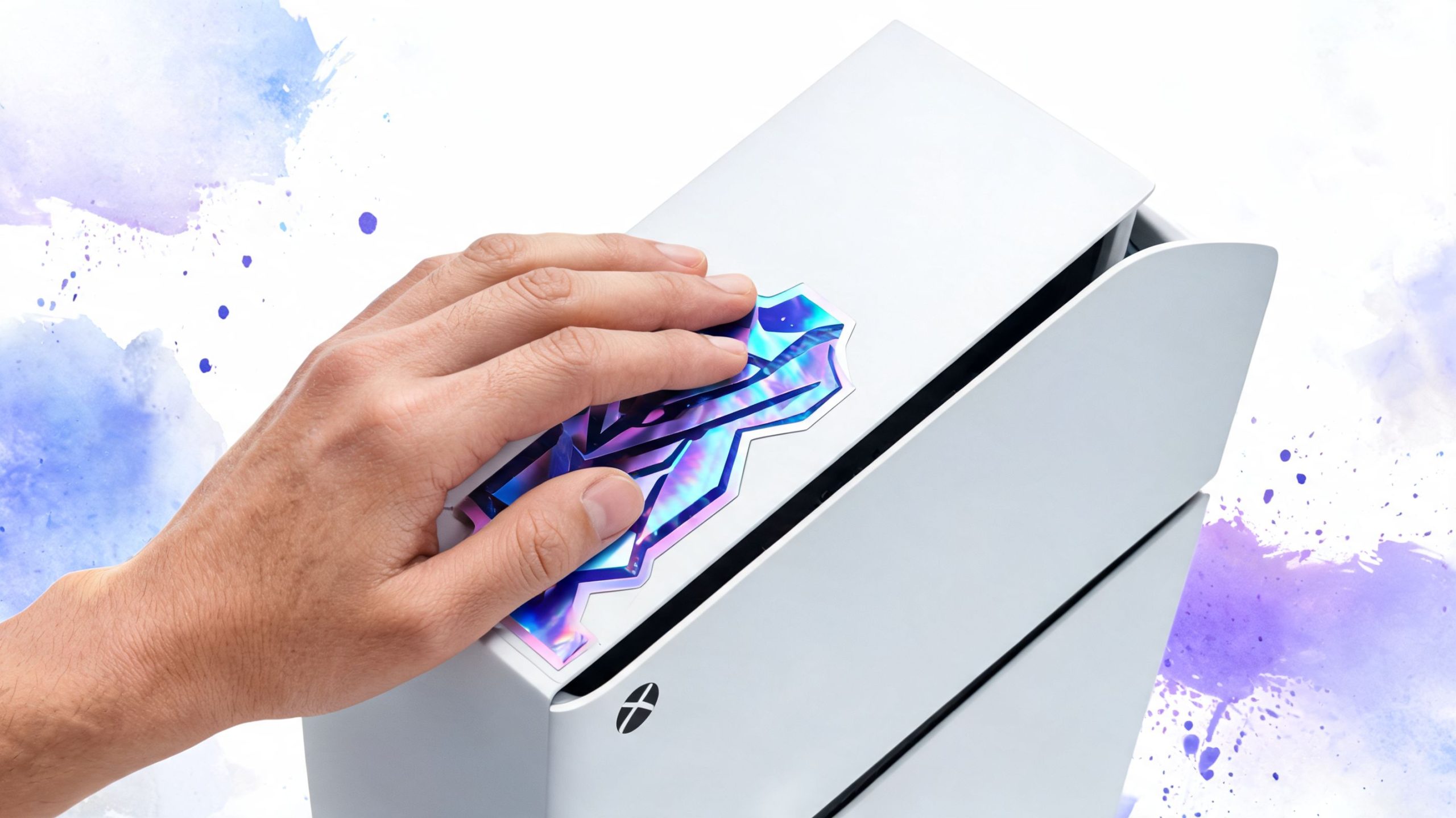
A lot of retailers say a gaming sticker is “weather-proof,” but that doesn't help much when you're deciding whether to place it on rear glass, a painted panel, or a console shell. That gap is real. There's very little useful guidance online about how gaming-themed designs perform on surfaces exposed to UV, moisture, and temperature cycling, which is why material-specific advice matters, as noted in this discussion of gaming sticker product expectations.
Best spots on vehicles
Some placements are forgiving. Some are not.
Rear window
This is the safest choice for most gaming decals. Glass is smooth, easy to prep, and forgiving during install. Logos, symbols, and gamer tags read well here. Rear glass also keeps the design away from road rash and boot scuffs that hit lower body areas.
Quarter windows
These are ideal for smaller faction marks, retro icons, or subtle references. They work especially well if you want something other gamers will notice without turning the whole vehicle into a theme build.
Body panels
Doors, bedsides, and hoods give the biggest visual impact, but they demand better planning. Body lines, compound curves, and paint condition all matter more here. Busy art can look cheap on paint fast. Cleaner graphics usually look better.
Spots that need more caution
- Bumpers: They take abuse. Heat, road grime, and frequent contact make them harsher than they look.
- Windshield banners: These need careful sizing and legal awareness. Visibility matters.
- Near wiper paths: Edges can catch repeated mechanical wear.
Here's a useful install visual before getting too ambitious with placement:
Non-vehicle placements that still work well
Not every gamer wants to commit to a car graphic right away. Some surfaces are great test beds for style.
- Laptops work for printed sticker collections and layered personal expression.
- PC towers look best with controlled, minimal placement near glass panels or lower corners.
- Consoles need restraint. One strong decal usually beats five scattered ones.
- Storage cases and monitor risers are good places for niche references.
If you're dialing in your whole setup aesthetic, this guide to essential gear placement for PC gamers is useful because it helps you think about how visuals fit the rest of the space rather than treating stickers like random add-ons.
Put the decal where the surface supports it and where the design has room to breathe. Good placement always looks more expensive.
Mastering Sticker Design and Sizing
A decal can be made from excellent vinyl and still look wrong if the size, color, or cut style fights the vehicle. Good design starts with proportion. A small icon can get lost on a full-size truck. An oversized logo can swallow the clean lines of a coupe.
The safest approach is to treat the decal like part of the vehicle's composition. It should complement the shape, not interrupt it.
Gaming nostalgia has real collector value. The collectibles market has surged enough that a mass-produced 1985 Super Mario Bros. cartridge sold for $140,000, according to this look at rare and highly collected video games. That same culture is why classic iconography deserves better treatment than a muddy, badly scaled sticker with a thick white box around it.
Size for the surface, not for the screen preview
Mockups online can fool people because everything looks balanced on a phone.
Use these rules instead:
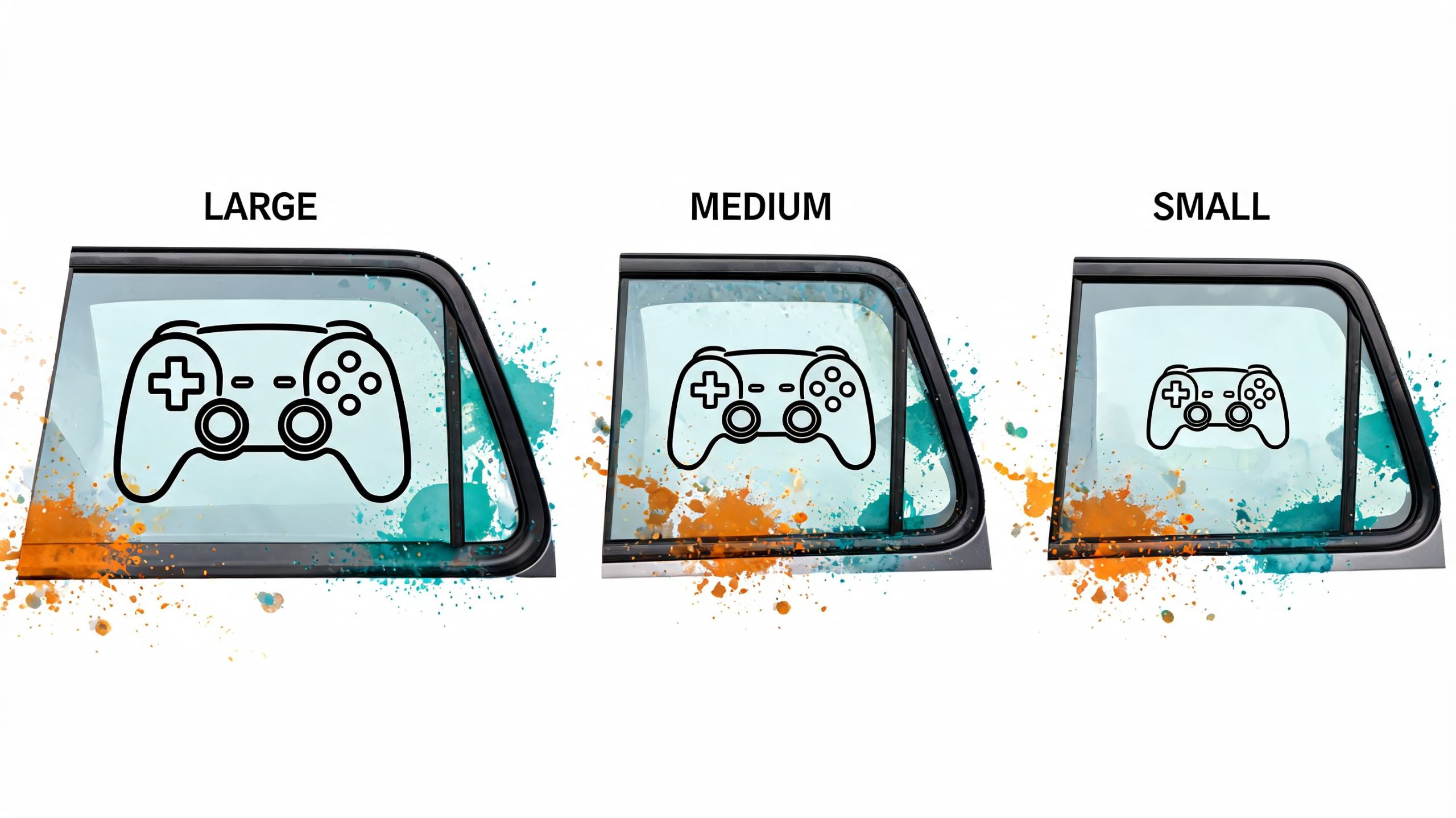
- Rear quarter glass: Small to medium usually reads best.
- Rear window center area: Medium works for most logos and symbols.
- Truck rear glass across the top or lower corner: Depends on window shape and visibility.
- Door or hood graphics: Need measured restraint. Bigger isn't automatically better.
If you're ordering personalized work, a make your own custom sticker decal gives you control, but only if you size it with the actual panel in mind.
Die-cut versus printed background
This is one of the biggest visual upgrades you can make.
Die-cut vinyl decals
These remove the unnecessary background and leave only the shape or lettering. On vehicles, they usually look cleaner and more professional.
Printed stickers with a border
These can work on laptops and consoles, especially in a sticker-bomb style. On car windows, they often look heavier and less integrated.
Color and readability
Contrast beats complexity.
A black decal on dark tint disappears. A light silver or white mark on the same glass reads much better. On white paint, black often looks crisp. On bright paint, neutral colors are safer than trying to match the body exactly.
Typography needs the same discipline. If you're adding a gamer tag, clan name, or in-joke, study a few effective typography principles before choosing a font. Fancy letterforms that look cool in a thumbnail often become unreadable once cut in vinyl.
Clean shapes age better than busy designs. If you still like the decal after simplifying it, that's usually the right direction.
A Flawless Victory How to Install and Care for Your Decal
A good decal can still fail if the install is rushed. Most bubbles, lifting edges, and crooked placement happen before the vinyl ever touches the surface. The fix is simple. Slow down and prep properly.
Before you peel anything
Start with a clean surface. Not “looks clean.” Thoroughly clean.
Wash off dirt first. Then wipe the install area with a proper cleaner that won't leave waxy residue. Glass is easier than paint, but both need to be dry and free of dust. If the surface has old protectants, road film, or detail spray left on it, the adhesive won't get a fair bond.
Use masking tape to test placement before removing the backing. Step back and check it from normal viewing distance, not six inches away.
A simple install sequence that works
- Position the decal first: Use tape as a temporary hinge if needed.
- Peel the backing carefully: Make sure the vinyl stays attached to the transfer tape.
- Apply from one side across: Use a squeegee or even a firm card wrapped in a soft cloth.
- Work out air as you go: Short, overlapping strokes beat random pressure.
- Remove transfer tape slowly: Pull it back on itself, not straight outward.
If part of the vinyl stays on the tape, stop. Lay the tape back down and squeegee that area again.
What causes most problems
A few mistakes come up over and over:
- Installing in bad conditions: Extreme cold, hot direct sun, or wind make the job harder.
- Touching the adhesive too much: Oils from your fingers don't help.
- Stretching small decals by accident: Pulling too aggressively can distort the shape.
- Ignoring edge pressure: Corners and tips need a firm final pass.
Slow hands beat strong hands. Most decals don't need force. They need control.
Caring for the decal after install
Give a fresh decal time to settle before washing the vehicle. After that, normal cleaning is fine if you use common sense.
Hand washing is the easiest on graphics. Automatic washes are harsher, especially if brushes catch edges. Pressure washing can also be fine when used carefully, but don't aim aggressive spray directly into decal edges at close range.
For long life, keep these habits:
- Wash gently: Clean the graphic as part of the vehicle, not as a separate fragile object.
- Avoid scraping at edges: Ice tools and fingernails do damage quickly.
- Use mild products: Harsh solvents are unnecessary for normal care.
- Inspect occasionally: If you catch a lifting edge early, you can often prevent more peeling.
Most installation issues blamed on “bad stickers” are really a mismatch between product type, placement, and prep. Get those right, and a quality decal behaves like it belongs there.
The Legal Side Quest and Supporting Creators
Gaming art feels easy to share because it's everywhere. Search results are full of logos, screenshots, fan art, faction marks, sprites, and high-resolution character images. That doesn't mean all of it is free to reproduce on a decal.
Copyright and trademark still apply, especially with recognizable franchise imagery, official logos, and artwork lifted directly from games or promotional assets. If someone grabs an image online and turns it into a sticker without permission, they may be copying something they don't have the right to reproduce.
What buyers should keep in mind
There's a practical side to this, not just a legal one.
Original-inspired design is safer than random image ripping
A design that nods to a gaming theme through original artwork, parody, typography, or a general aesthetic is different from reproducing protected art directly. That distinction matters.
Official-looking logos carry more risk
The more a design depends on a trademarked emblem or exact in-game branding, the more careful you should be.
Fan art still belongs to someone
Even if the game publisher isn't the issue, an artist's custom interpretation may still be protected by that artist's rights.
Why ethical sourcing matters
Supporting creators leads to better work. You get cleaner design, better cut files, fewer weird compression artifacts, and a result that feels considered rather than copied. It also respects the people who made the imagery worth loving in the first place.
There's another benefit. Ethical design choices usually produce stronger decals. A vehicle graphic works best when it's adapted for vinyl, simplified where needed, and built around the surface. Random internet art often isn't.
If a design only works because someone copied a low-quality image from a search result, it probably won't make a good vehicle decal anyway.
A good gaming decal should do three things well. It should represent your taste, fit the vehicle, and last long enough to feel worth the effort. Cheap novelty stickers can still be fun for laptops and consoles. For a car or truck, quality wins every time.
If you want a gaming-adjacent decal, a custom text design, or a vehicle graphic that is made to last outdoors, browse Custom Sticker Shop. They make premium American-made vinyl decals for cars and trucks using professional-grade materials, with custom options for drivers who want something cleaner than a disposable sticker pack.